
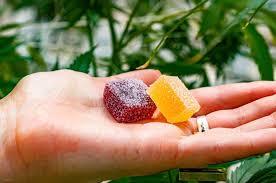
CBD gummies have become a popular way for people to consume cannabidiol (CBD) in a convenient, pre-measured edible format. They come in different flavors, shapes, colors, strengths, and formulations, but have you ever wondered how CBD gummies are made?
From extracting CBD from hemp to creating the gummy mixture, adding flavors, forming the final shape, and testing the finished product, manufacturers follow several steps before CBD gummies reach consumers.
Understanding the CBD gummy manufacturing process can help you better understand product labels, ingredients, potency, testing, and quality.
In this guide, we will walk through the general process of making CBD gummies and explain the ingredients and quality-control steps involved.
What Are CBD Gummies?
CBD gummies are edible products formulated with cannabidiol (CBD) and other ingredients used to create a chewy, flavorful candy-like product.
Depending on the manufacturer, a CBD gummy may contain:
- CBD extract
- Pectin or gelatin
- Sweeteners
- Natural or artificial flavors
- Food-grade coloring
- Acids such as citric acid
- Other ingredients used for texture and stability
The exact formulation varies between products.
CBD gummies can also differ according to the type of CBD extract used. Some products contain full-spectrum CBD, while others use broad-spectrum CBD or CBD isolate.
Where Does the CBD in Gummies Come From?
The CBD used in gummies generally comes from hemp or cannabis plant material, depending on the product and applicable regulations.
For hemp-derived products, manufacturers begin with hemp containing CBD-rich plant material. They process this material to extract cannabinoids and other plant compounds.
The resulting extract can then undergo additional processing depending on the type of CBD product being manufactured.
The goal is to create a consistent CBD ingredient that can be accurately incorporated into the gummy formulation.
Step 1: Growing and Harvesting Hemp
The process begins with the cultivation of hemp.
Farmers grow hemp varieties selected for their cannabinoid profiles and intended end use. Growing conditions, genetics, harvesting practices, and plant maturity can influence the chemical composition of the plant.
Once the hemp reaches the appropriate stage, farmers harvest it and prepare the plant material for further processing.
The quality of the starting plant material can affect the quality and consistency of the final extract.
Step 2: Preparing the Plant Material
After harvesting, manufacturers prepare hemp material for extraction.
This may involve:
- Drying
- Grinding
- Milling
- Removing unwanted plant material
- Preparing the material for extraction
Proper preparation helps create a more consistent starting material for the extraction process.
Step 3: Extracting CBD From Hemp
Manufacturers use extraction methods to separate cannabinoids and other compounds from hemp.
Several extraction methods exist, including:
CO₂ Extraction
CO₂ extraction uses carbon dioxide under controlled temperature and pressure conditions to extract compounds from hemp.
Manufacturers can adjust the process to target different plant compounds and produce a desired extract.
Ethanol Extraction
Ethanol can also serve as a solvent for extracting cannabinoids from hemp.
After extraction, manufacturers process the resulting material to remove unwanted components and produce an extract suitable for further formulation.
Other Extraction Methods
Depending on the manufacturer and product, other extraction approaches may also be used.
The extraction method is only one part of the overall manufacturing process. Purification, formulation, testing, and quality control also play important roles.
Step 4: Processing and Purifying the CBD Extract
After extraction, the raw extract may contain various cannabinoids, plant compounds, waxes, lipids, and other substances.
Manufacturers may process the extract further depending on the desired final product.
For example, a manufacturer producing CBD isolate may use additional purification steps to obtain highly purified CBD.
A full-spectrum product generally undergoes less extensive purification so that a broader range of naturally occurring hemp compounds remains in the extract.
The processing stage helps determine the final cannabinoid profile of the CBD ingredient.
Step 5: Testing the CBD Extract
Before manufacturers add CBD to gummy ingredients, they may test the extract to determine its composition.
Testing can provide information about:
- CBD concentration
- THC concentration
- Other cannabinoids
- Residual solvents
- Heavy metals
- Pesticides
- Microbial contaminants
The exact testing panel depends on the manufacturer, laboratory, product, and applicable requirements.
Testing helps manufacturers establish the concentration of CBD that they need to incorporate into the gummy mixture.
Step 6: Creating the Gummy Base
Once the CBD ingredient is ready, manufacturers prepare the gummy base.
Traditional gummies often use gelatin, while many plant-based gummies use pectin.
Other ingredients can include:
- Water
- Sweeteners
- Flavorings
- Citric acid
- Food-grade colors
- Texture and stabilizing ingredients
The ingredients are combined and heated under controlled conditions to create the desired gummy mixture.
The exact recipe differs between manufacturers.
Step 7: Choosing Gelatin or Pectin
One of the major formulation decisions involves the ingredient used to create the gummy’s texture.
Gelatin-Based Gummies
Gelatin is an animal-derived ingredient that gives gummies their characteristic chewy texture.
Products containing gelatin are generally not suitable for people following vegan diets.
Pectin-Based Gummies
Pectin is a plant-derived ingredient commonly used to create gummy textures.
Manufacturers often use pectin when developing vegan or vegetarian-friendly formulations, although consumers should always check the complete ingredient list and product claims.
Step 8: Adding CBD to the Gummy Mixture
The CBD extract is incorporated into the gummy mixture during the manufacturing process.
This step requires careful mixing because manufacturers need to distribute CBD as evenly as possible throughout the batch.
Consistent mixing is particularly important because consumers expect each gummy to contain approximately the stated amount of CBD.
Manufacturers may use specialized mixing equipment to help create a uniform formulation.
Step 9: Adding Flavors and Colors
CBD itself may have a distinctive plant-like taste, depending on the extract and formulation.
Manufacturers can add flavors to create a more enjoyable product.
Common flavors include:
- Strawberry
- Blueberry
- Orange
- Lemon
- Watermelon
- Mint
- Mixed berry
Food-grade colors may also be added to give gummies their characteristic appearance.
Some manufacturers use natural flavors and colors, while others use artificial ingredients.
Always check the ingredient list if you have specific dietary preferences.
Step 10: Adding Other Cannabinoids or Ingredients
Some CBD gummies contain more than CBD.
Depending on the product formulation, manufacturers may add or retain other cannabinoids such as:
- CBG
- CBC
- CBDA
- THC, where legally permitted and present
- Other hemp-derived compounds
Some products may also contain ingredients such as botanical extracts or other functional ingredients.
If you are comparing CBD gummies, check the label to understand the complete cannabinoid and ingredient profile.
Step 11: Pouring the Gummy Mixture Into Molds
Once the gummy mixture reaches the desired consistency, manufacturers place it into molds.
The molds determine the final shape of the gummies.
CBD gummies can be produced in many shapes, including:
- Bears
- Rings
- Fruits
- Cubes
- Drops
- Squares
- Other custom shapes
The mixture cools and sets inside the molds.
Step 12: Cooling and Setting
After molding, manufacturers allow the gummies to cool and develop their final texture.
The cooling process helps the gummy mixture solidify.
Manufacturers carefully control factors such as temperature and processing time because these can influence the final texture, appearance, and stability of the gummies.
The goal is to create gummies that are consistent in shape, texture, and moisture content.
Step 13: Finishing the Gummies
Once the gummies have set, manufacturers may perform additional finishing steps.
Depending on the product, this can include:
- Removing excess material
- Applying a coating
- Adding flavoring
- Polishing the gummies
- Checking their appearance
- Separating damaged or irregular pieces
The exact finishing process varies according to the type of gummy being produced.
Step 14: Quality Control
Quality control is an important part of CBD gummy manufacturing.
Manufacturers may evaluate the gummies for factors such as:
- Appearance
- Weight
- Texture
- Flavor
- CBD concentration
- Cannabinoid consistency
- Microbial contamination
- Heavy metals
- Pesticides
- Residual solvents
Quality-control procedures can differ between manufacturers.
For consumers, independent laboratory testing can provide additional information about the finished product.
Step 15: Third-Party Laboratory Testing
Some CBD gummy manufacturers send finished products to an independent laboratory for testing.
This is commonly referred to as third-party testing.
A laboratory report may provide information about the product’s:
- CBD content
- THC content
- Other cannabinoids
- Contaminant testing
- Batch information
Consumers can use a Certificate of Analysis (COA) to review available laboratory results.
When reviewing a COA, check whether the report corresponds to the product and batch you are purchasing.
Step 16: Determining CBD Potency
CBD gummies are available in different strengths.
For example, one gummy may contain:
- 10 mg CBD
- 20 mg CBD
- 25 mg CBD
- 50 mg CBD
The actual amount depends on the manufacturer’s formulation.
Manufacturers calculate the required CBD extract amount based on the desired concentration of the finished batch.
Accurate measurement and thorough mixing are important for maintaining consistent potency throughout a production batch.
Why CBD Gummy Consistency Matters
Imagine a manufacturer produces a batch of 10,000 gummies.
If CBD does not distribute evenly throughout the mixture, individual gummies could contain different amounts of CBD.
This is why manufacturers focus on:
- Accurate measurements
- Consistent mixing
- Controlled temperatures
- Proper formulation
- Batch testing
A consistent manufacturing process helps manufacturers produce gummies that more closely match their labeled CBD content.
Full-Spectrum, Broad-Spectrum, and Isolate Gummies
The manufacturing process can differ depending on the type of CBD extract used.
1. Full-Spectrum CBD Gummies
These use an extract designed to retain CBD along with other naturally occurring hemp compounds.
Depending on the product, trace amounts of THC may be present.
2. Broad-Spectrum CBD Gummies
These generally contain CBD and other hemp compounds while being formulated to remove or minimize THC.
3. CBD Isolate Gummies
These use purified CBD isolate as the primary CBD ingredient.
The choice between these formulations depends on the manufacturer’s product design and consumer preferences.
What Ingredients Are Commonly Found in CBD Gummies?
A CBD gummy label may include several categories of ingredients.
1. CBD Extract
Provides the cannabidiol used in the product.
2. Gelatin or Pectin
Creates the gummy’s chewy structure.
3. Sweeteners
Provide sweetness and can affect the product’s texture.
4. Flavorings
Give the gummies their taste.
5. Food-Grade Colors
Create the desired appearance.
6. Acids
Ingredients such as citric acid can contribute to flavor and formulation.
7. Other Ingredients
Manufacturers may include additional ingredients depending on the recipe.
Always check the complete ingredient list to understand what is in a specific product.
How Are Vegan CBD Gummies Made?
Vegan CBD gummies generally replace animal-derived gelatin with plant-based alternatives such as pectin.
The general process remains similar:
CBD extraction → Ingredient preparation → Gummy base creation → CBD incorporation → Flavoring → Molding → Cooling → Testing → Packaging
However, the formulation needs to account for the different properties of pectin compared with gelatin.
If you are looking for vegan CBD gummies, check the complete ingredients and any relevant certification rather than relying only on the word “vegan” in marketing.
How Do Manufacturers Make CBD Gummies Taste Better?
CBD extract can have a naturally earthy or botanical flavor.
Manufacturers can balance this flavor by using:
- Fruit flavors
- Citrus flavors
- Sweeteners
- Acidity regulators
- Natural flavoring
- Other food-grade ingredients
The goal is to create a pleasant taste without changing the intended CBD concentration.
Different manufacturers use different recipes, which is why CBD gummies can vary significantly in flavor and texture.
How Is CBD Distributed Evenly in Gummies?
Uniform CBD distribution is one of the important technical challenges in producing edible CBD products.
Manufacturers need to combine the CBD ingredient thoroughly with the gummy mixture.
They may use controlled mixing systems and standardized production procedures to improve consistency.
After production, laboratory testing can help determine whether the finished product contains the expected cannabinoid concentrations.
What Is a CBD Gummy COA?
A Certificate of Analysis, or COA, is a laboratory report showing the results of testing performed on a CBD product or batch.
A COA may show:
- CBD concentration
- THC concentration
- Other cannabinoids
- Heavy metals
- Pesticides
- Microbial contaminants
- Residual solvents
Not every COA contains the same tests.
When available, a batch-specific COA can help consumers understand what independent laboratory testing found in the product.
What Should You Look for When Buying CBD Gummies?
Understanding the manufacturing process can help you become a more informed CBD buyer.
Before purchasing CBD gummies, consider checking:
1. CBD Amount
Look at the amount of CBD per gummy and the total CBD in the package.
2. Extract Type
Determine whether the product contains full-spectrum, broad-spectrum, or isolate CBD.
3. Ingredient List
Check sweeteners, flavors, colors, gelatin, pectin, and other ingredients.
4. THC Information
If you want to avoid THC, check the product’s cannabinoid information and laboratory results.5.
5. Third-Party Testing
Look for accessible independent laboratory testing where available.
6. Batch Number
A batch number can help connect the product to its laboratory report.
7. Expiration Date
Check the expiration or best-before date and follow storage instructions.
Are All CBD Gummies Made the Same Way?
No.
CBD gummy manufacturing processes can differ significantly between companies.
Differences may occur in:
- Hemp sourcing
- CBD extraction
- Purification
- Gummy formulation
- Sweeteners
- Flavors
- CBD concentration
- Manufacturing equipment
- Quality-control procedures
- Laboratory testing
Therefore, two CBD gummies that look similar on the outside may have very different formulations and production processes.
Common Misconceptions About CBD Gummy Manufacturing
“All CBD Gummies Contain the Same Ingredients”
They do not. Ingredients vary considerably between products.
“Hemp Flavor Means the Product Is Full-Spectrum”
Not necessarily. Flavor does not determine the extract type.
“Higher CBD Means Better Quality”
CBD concentration and product quality are different factors.
“Third-Party Tested Means Every Product Is Identical”
Third-party testing provides information about a particular product or batch. Always check the actual laboratory report.
“Hemp Seed Oil Is the Same as CBD Extract”
It is not. Hemp seed oil comes from hemp seeds and is chemically different from CBD-rich hemp extract.
Frequently Asked Questions
1. How long does it take to make CBD gummies?
The exact production time varies by manufacturer and formulation. Preparing the CBD ingredient, making the gummy mixture, molding, cooling, testing, and packaging can take different amounts of time depending on production scale and procedures.
2. Are CBD gummies made from hemp?
Many CBD gummies use hemp-derived CBD, but the source depends on the product and applicable regulations. Check the product label for specific information.
3. Do CBD gummies contain real CBD?
A properly formulated CBD gummy should contain the amount of CBD stated on its label, subject to normal manufacturing variation. Independent laboratory testing can provide additional information about cannabinoid content.
4. Are vegan CBD gummies different?
Vegan CBD gummies typically use plant-based ingredients such as pectin instead of animal-derived gelatin. The exact formulation varies by manufacturer.
5. Can CBD gummies contain THC?
Some formulations, particularly full-spectrum products, may contain trace amounts of THC. Check the label and laboratory report for specific information.
Also Read: Common Myths About CBD Gummies Debunked
Final Thoughts
The process of making CBD gummies involves much more than simply adding CBD to candy. Manufacturers must carefully manage CBD extraction, purification, formulation, mixing, flavoring, molding, cooling, quality control, and testing.
The general process looks like this:
Hemp → CBD extraction → Processing and purification → Testing → Gummy formulation → CBD mixing → Flavoring → Molding → Cooling → Quality control → Laboratory testing → Packaging
The final product can vary depending on the type of CBD extract, ingredients, manufacturing methods, and quality-control practices used by the manufacturer.
For consumers, understanding this process makes it easier to read product labels and compare CBD gummies. Look for clear CBD concentration information, a complete ingredient list, extract type, THC information, batch details, and accessible third-party laboratory testing.
Most importantly, remember that product quality cannot be determined by packaging or CBD potency alone. A transparent manufacturing and testing process provides much more useful information when deciding which CBD gummies to consider.